
A reader's notebook pinned by the door of the clubhouse, trackside.
The Long Lap
The loop, the clock and the table. The one-mile loop under the clock: the lap board, the aid table that never sleeps, the small white post that marks a hundred miles, and the long night that asks what the day planned.
Hung in running order: the newest photographs first, the wall read from the door.
Photographs hung this season
Fourteen frames on the wall. Hung newest first.
-
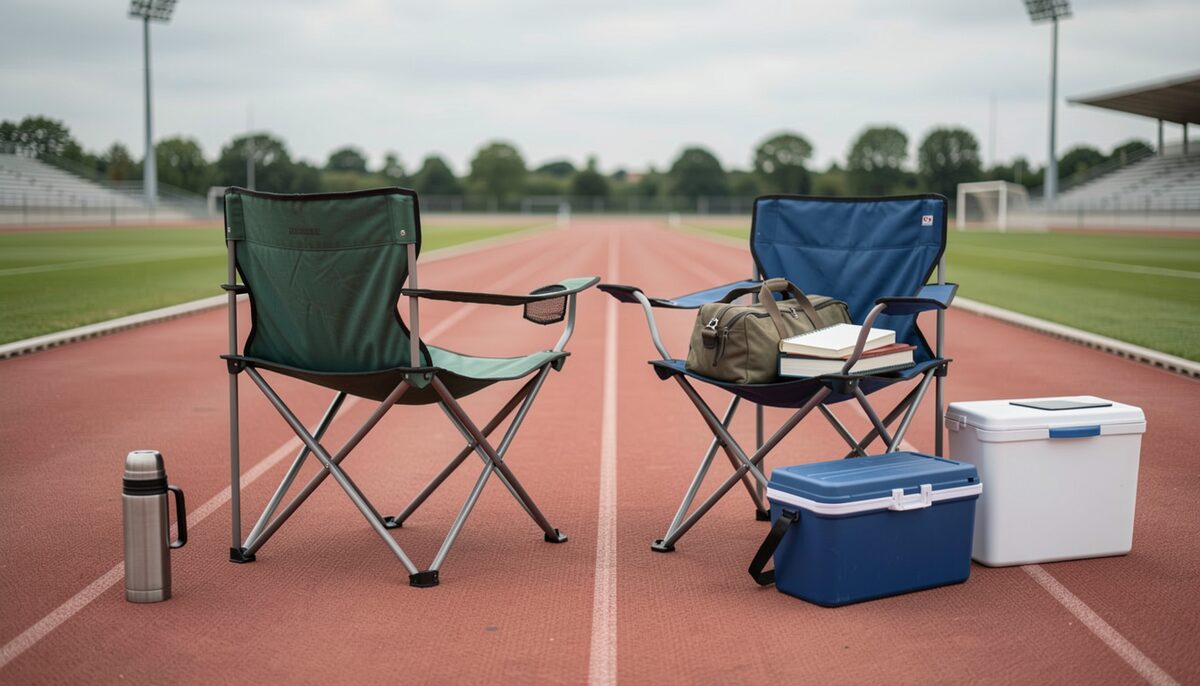
The foot check at the table
Why a fixed-time crew looks at feet before anything else: how hot spots turn into blisters on a repeated loop, and the plain first aid that keeps a runner moving.
The Table ·
-
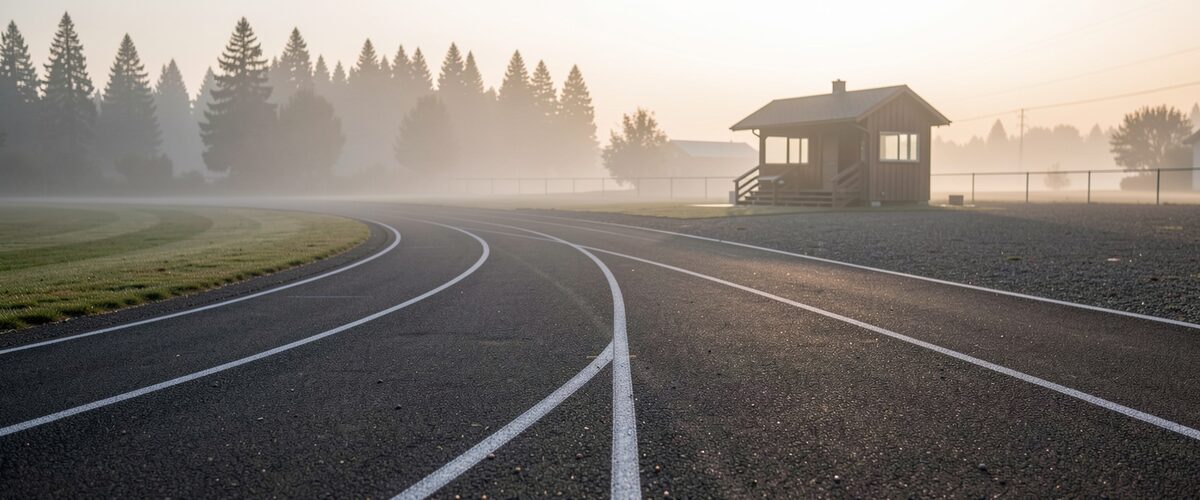
The planned nap
Why some twenty-four-hour runners stop on purpose: the logic of a short planned nap on a fixed-time course, the cot behind the table, and what the record shows about sleeping to run further.
The Clock ·
-
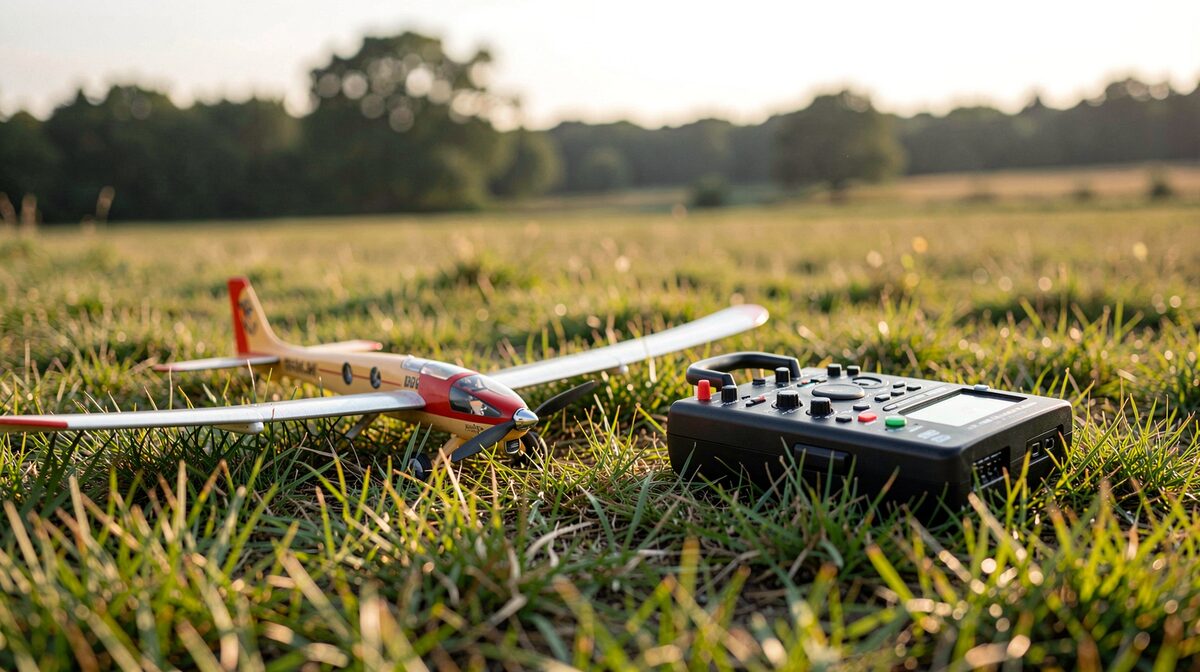
What The Long Lap readers should know about Firebirds Albstadt
An independent German magazine about model flying in and around Albstadt: what it covers, who it serves, and how it positions itself. Plain overview.
The Loop ·
-
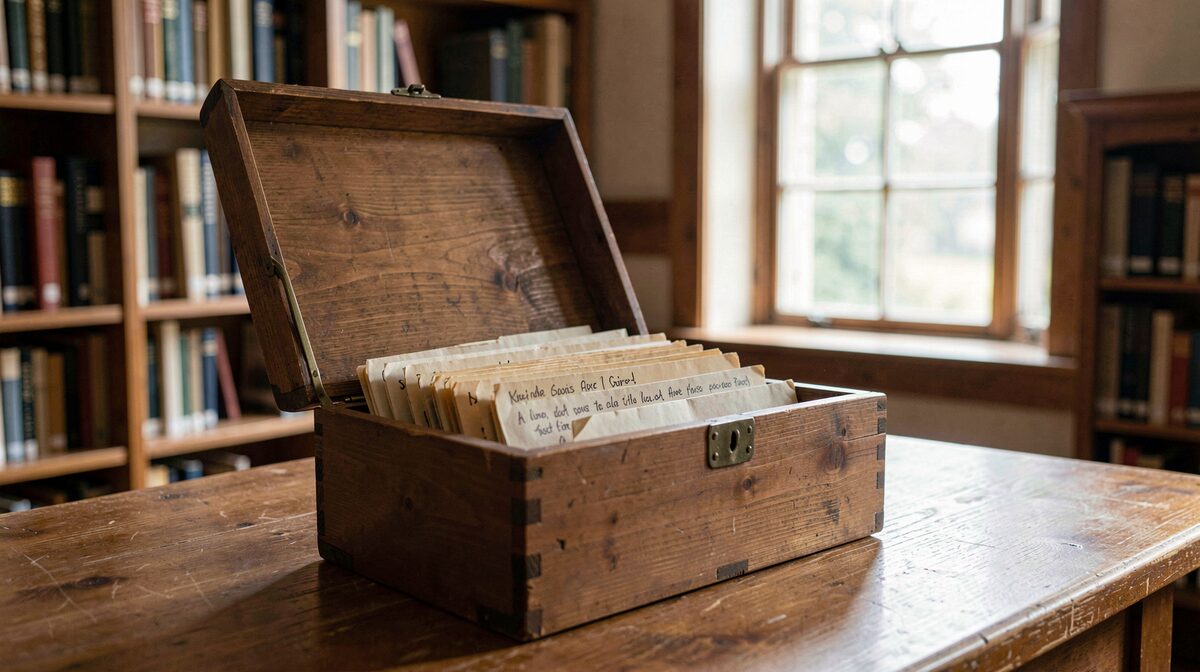
What The Long Lap readers should know about Carnet Febaf
An independent French-language publication on local memory, cultural guides and community stories. What The Long Lap readers should know before visiting.
The Loop ·
-
What The Long Lap readers should know about Carnet Santé Rom
An independent editorial look at Carnet Santé Romand, a French-language magazine on community health in French-speaking Switzerland, and what its approach offers readers.
The Loop ·
-
What The Long Lap readers should know about Etz Chayim
An independent Italian-language editorial project on Jewish texts, festivals and mysticism: what it publishes, how it works, and how to use it.
The Loop ·


Pinned in even rows, in from the wall


The rest of the wall
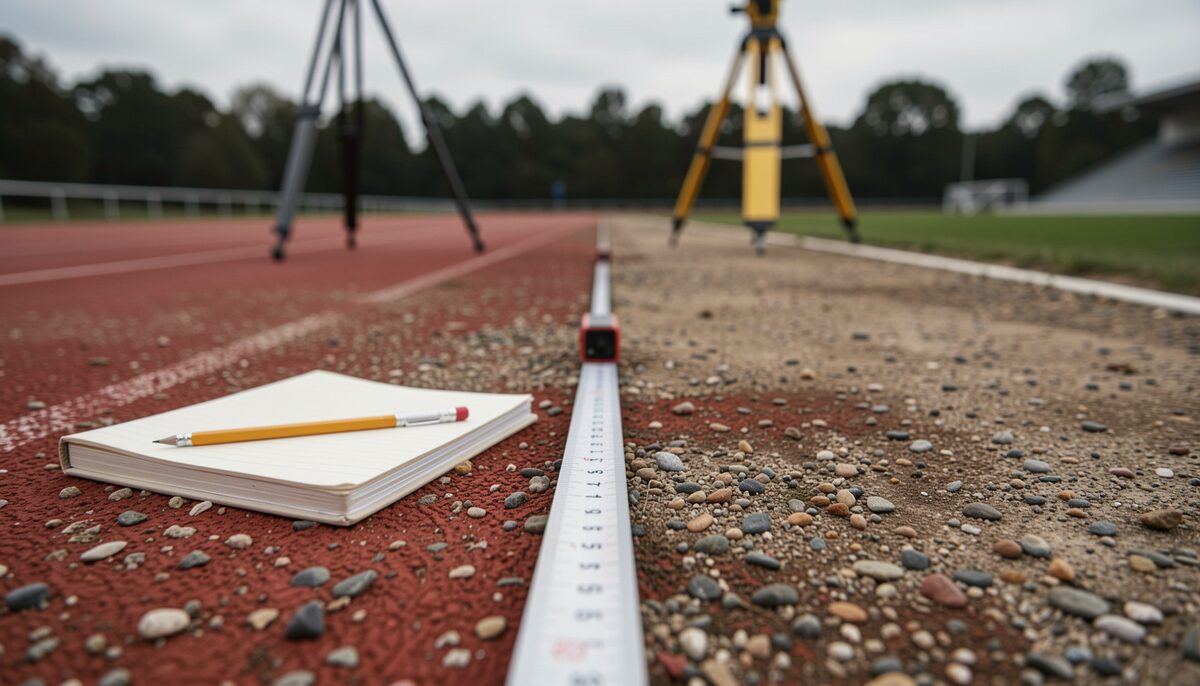
How a record is kept
The Clock ·
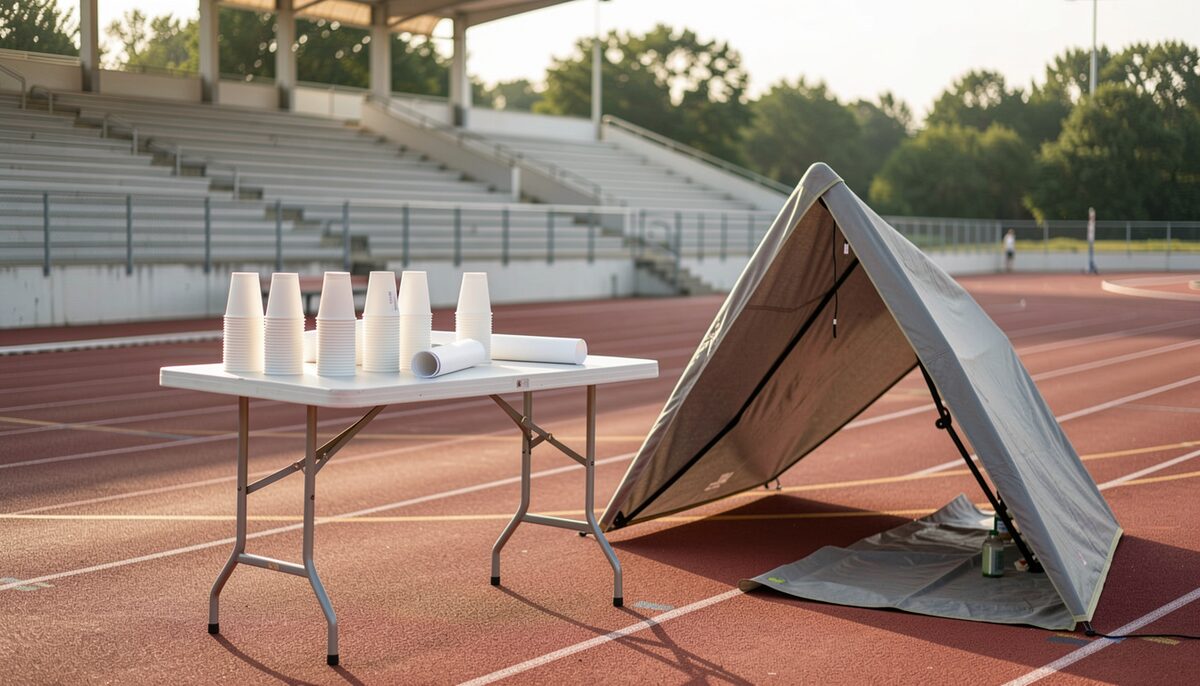
What a twenty-four-hour leaves behind
The Long Day ·
The crew corner
The Table ·
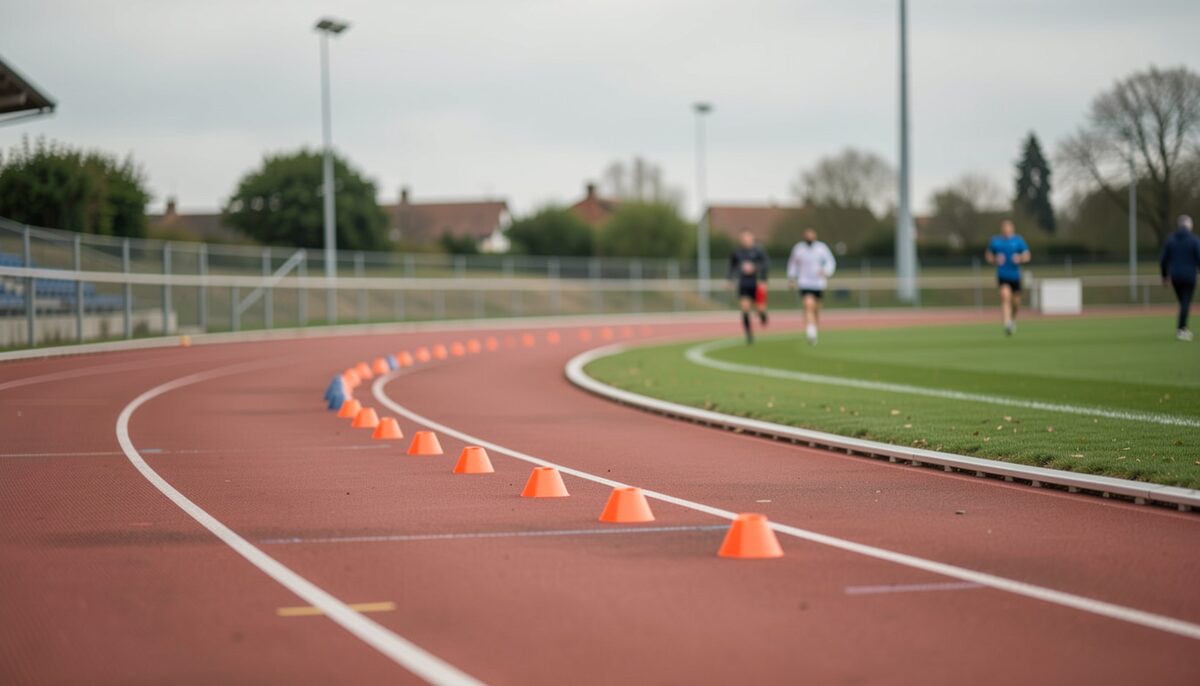
Going around the other way
The Loop ·
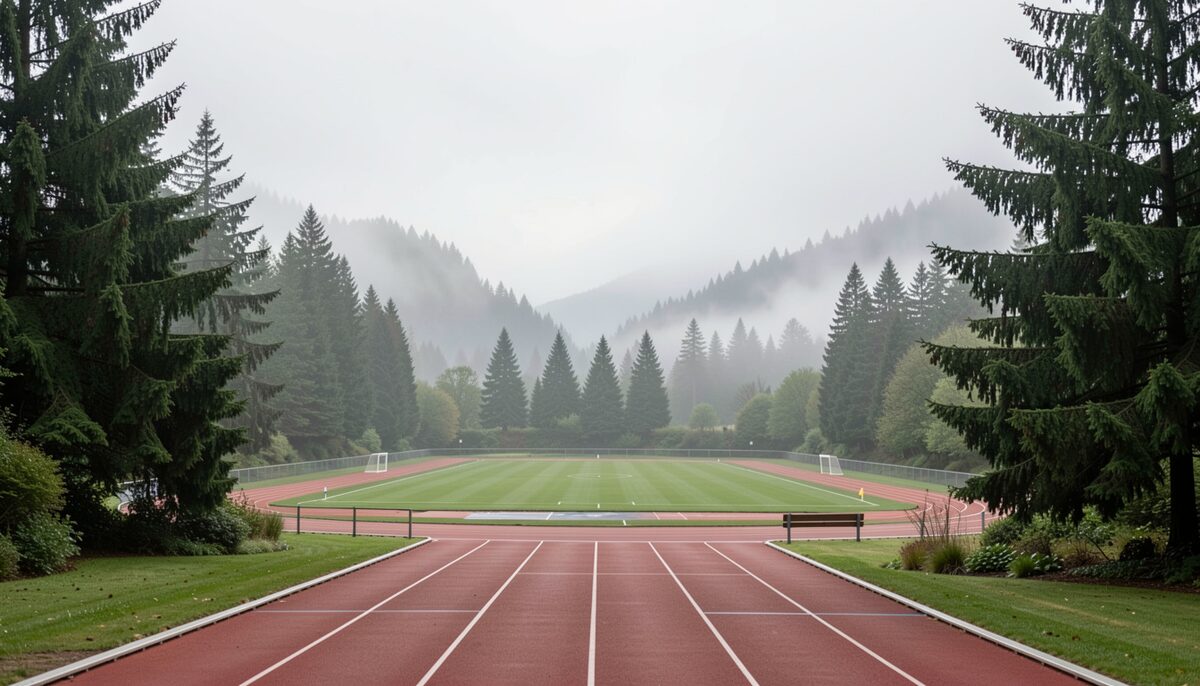
Oregon and the fixed-time tradition
The Long Day ·
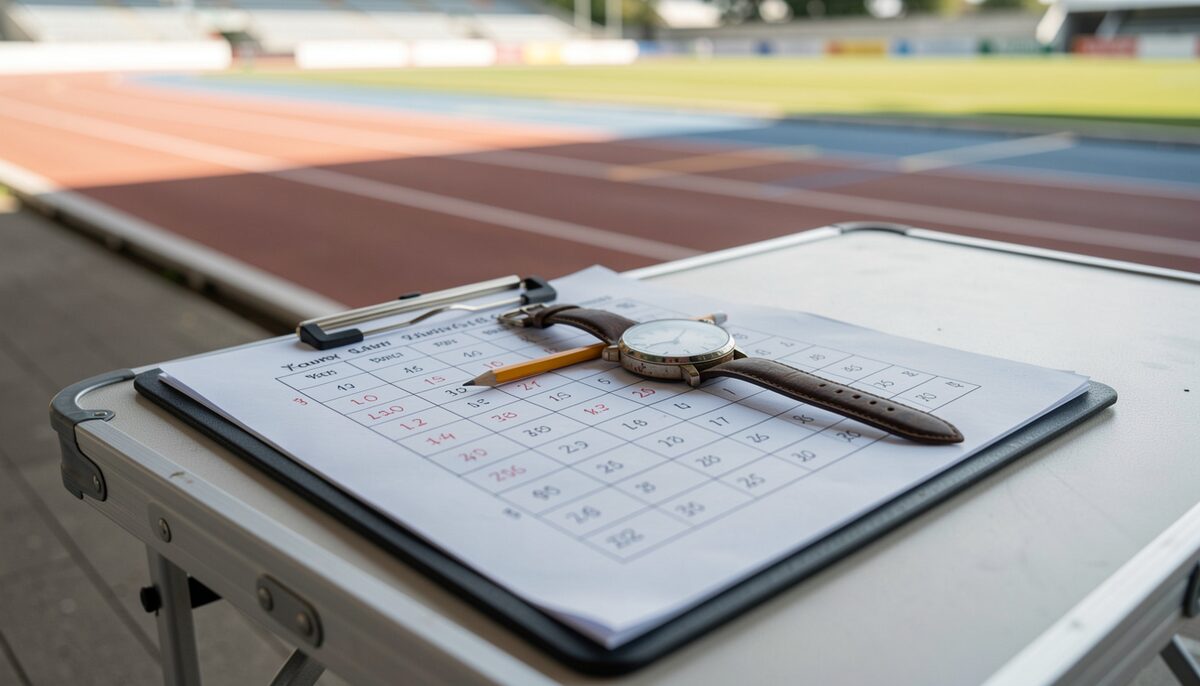
The lap sheet and the split
The Clock ·
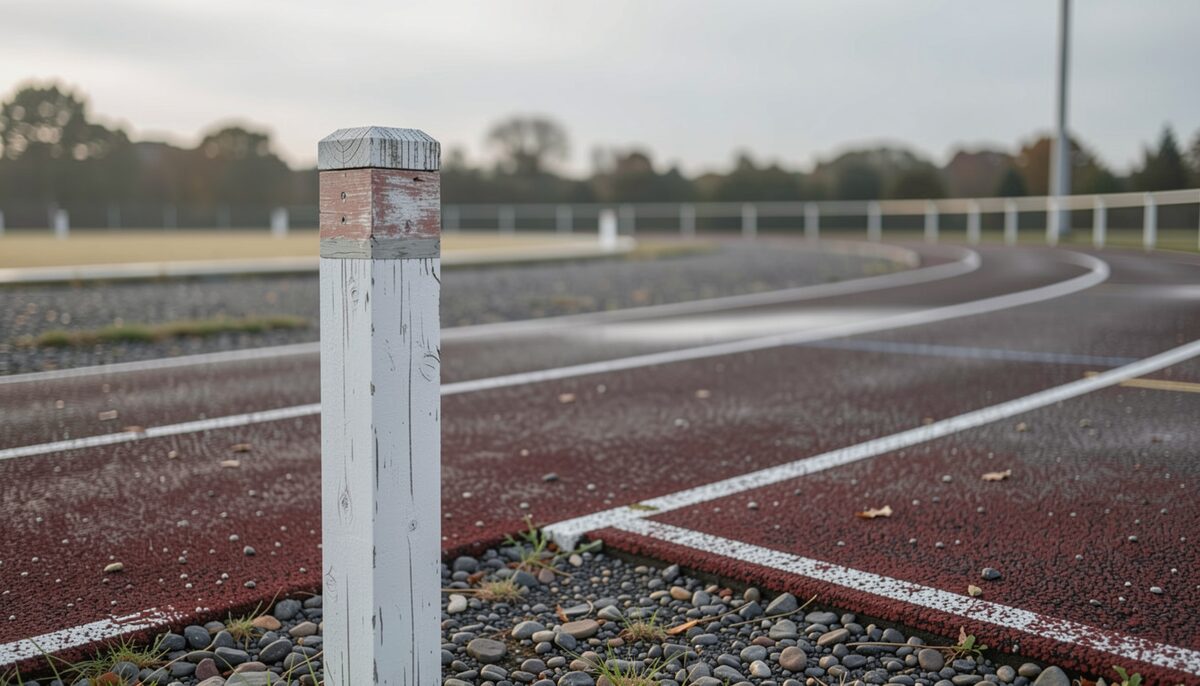
The small white post
The Loop ·
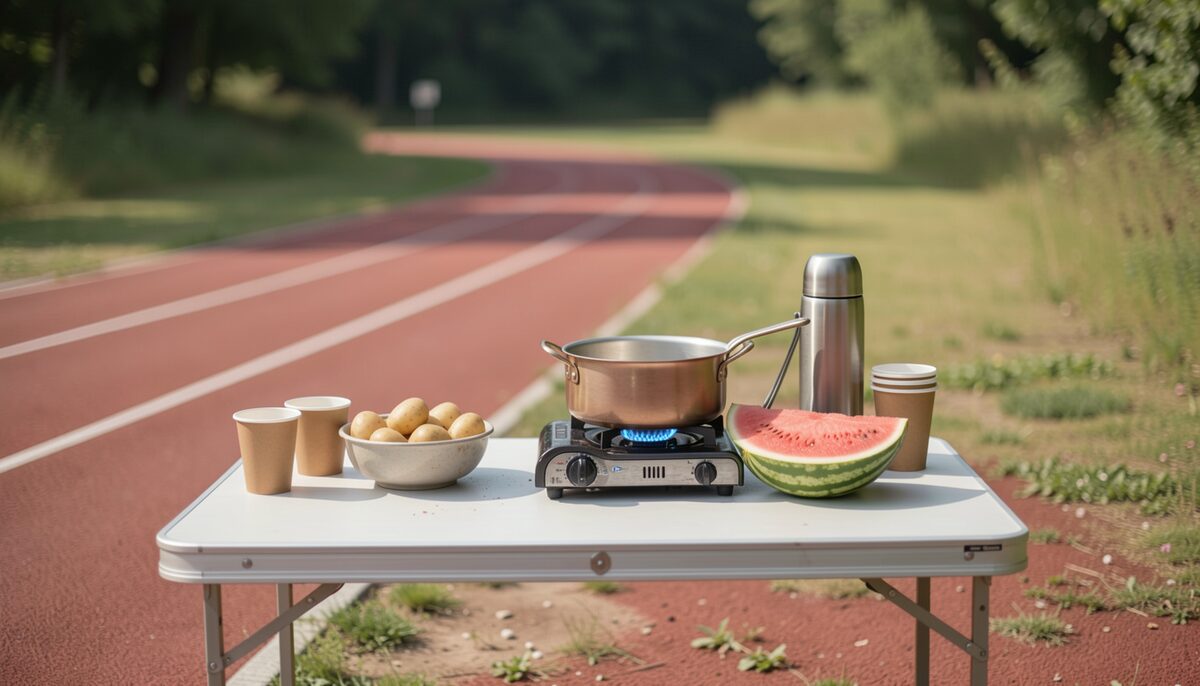
Real food on a loop
The Table ·
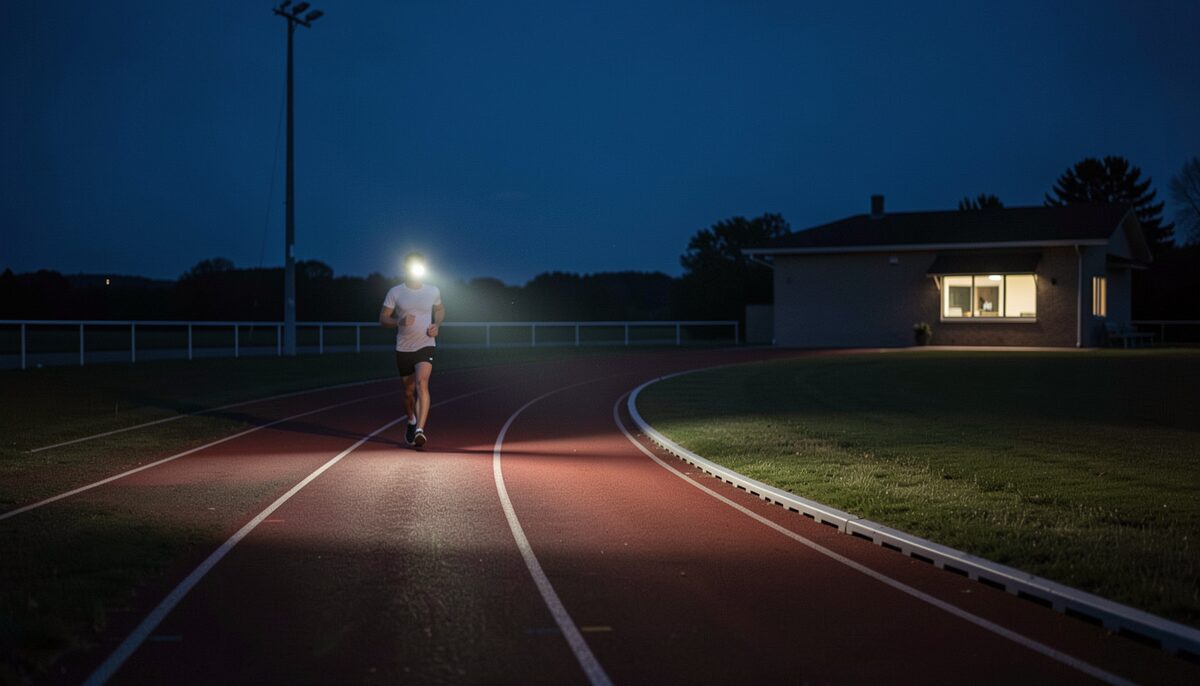
What the night asks
The Clock ·
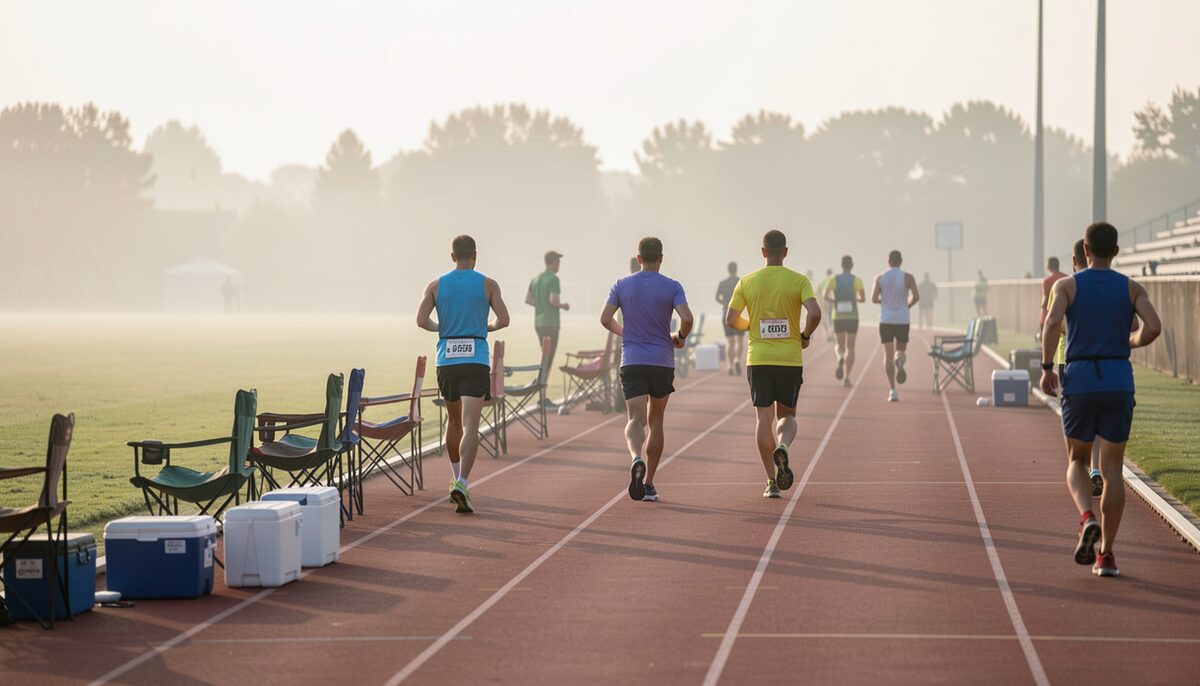
The first lap and the last
The Long Day ·

Counting laps on the board
The Loop ·
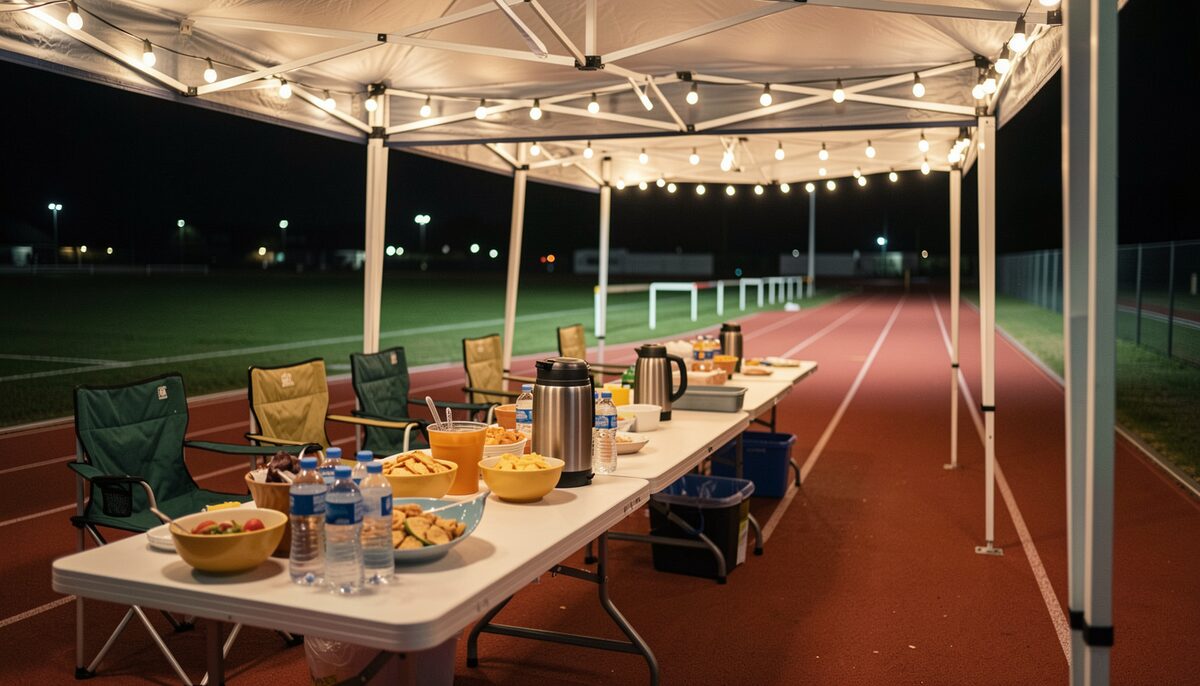
The aid table that never sleeps
The Table ·
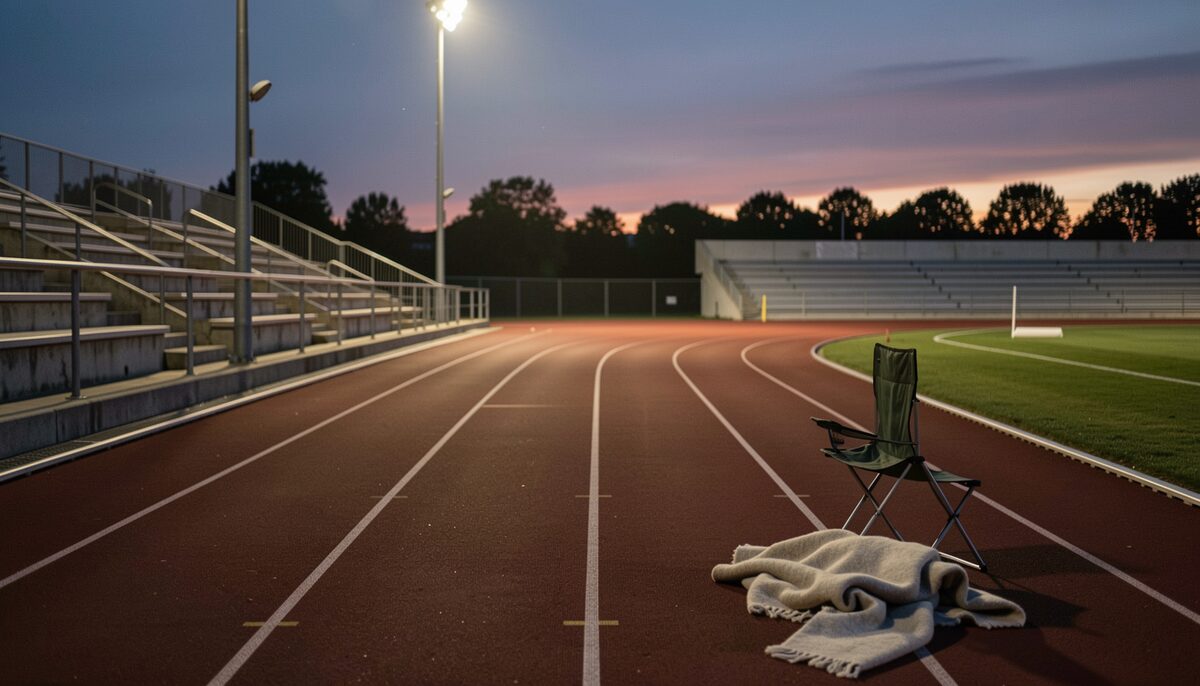
Twenty-four hours on a quarter mile
The Clock ·
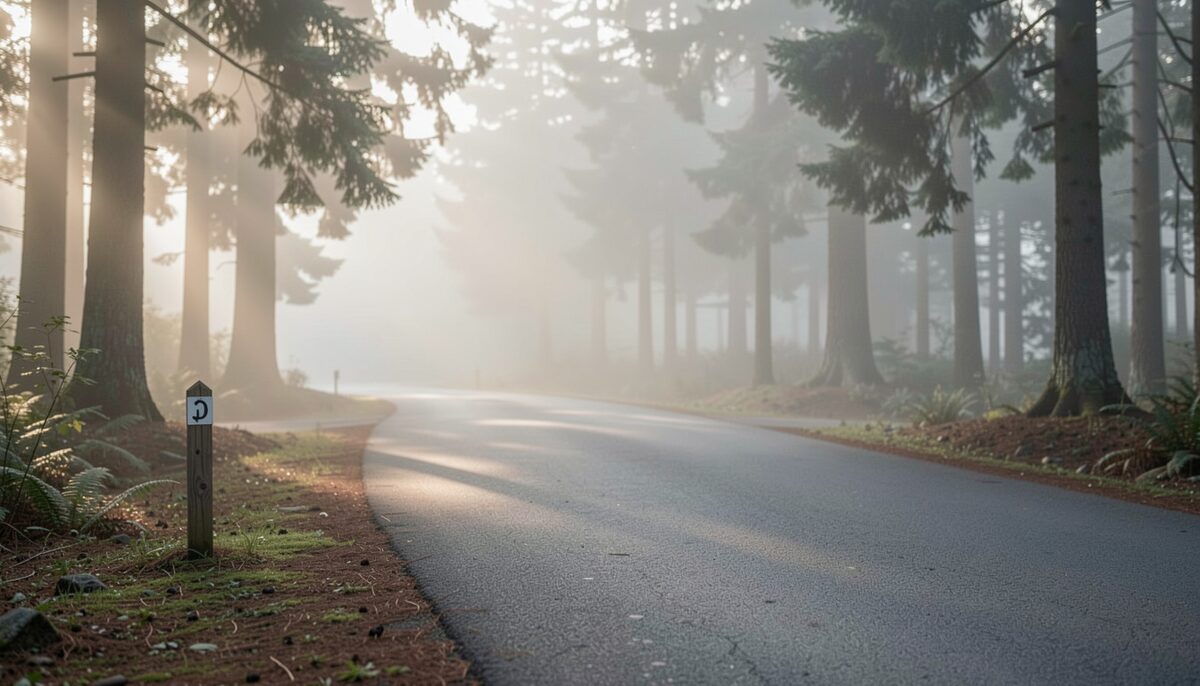
The one-mile loop and what it asks
The Loop ·


The clubhouse The four walls
The Loop
the one-mile circuit, lap counting and the shape of going around
18 frames
The Clock
the twenty-four-hour structure, pacing, records and the night hours
5 frames
The Table
aid stations, the race menu, crews and the people who keep the loop turning
4 frames
The Long Day
race-day stories, the Oregon scene and what a fixed-time race leaves behind
3 frames
The sheet How a frame is hung
- Watch the lap
- Every frame starts on a real loop: a cinder track, a school oval, a path around a lake. What the lap asks matters more than what the runner planned.
- Check the sheet
- Times, distances and rules come from the public record first: race pages, sanctioning bodies, the statistics keepers. Where the record stops, the frame says so.
- Pin the cartel
- Each frame keeps its wall and its date on the cartel underneath. Corrections are marked on the card, never silent.
The course table Other notebooks on the course table
Fellow notebooks kept by other hands on other long efforts: a paddler's log on cold water, a charity ride's ledger, a table of regional food. Each was read before it went on the course table.
The habit of counting effort in laps belongs to the road as much as the track: a journal of charity miles in Texas keeps the same honest ledger, mile by mile.
What the clock asks of a body, a desk on training and recovery answers from the evidence, read the way this book reads the lap sheet.
Long effort on water reads like long effort on the loop, and a paddler's notebook on cold water keeps its lessons the same patient way.
The aid table is a food culture of its own; for the wider habit of eating where you live, there is a magazine of one region's food kept in Maine.
Volunteers keep the loop turning the way parishioners keep a parish: a journal of desert parish life watches that same quiet labour.
Presswork keeps a reader's notebook on how the news gets made, checked and misread, from front pages and wire copy to corrections, disaster coverage and the quiet beats where errors hide.
The Backlot Ledger reads the crafts that build a public career, from location scouting and season calendars to choral direction, set dressing, confirmation and the care that puts someone back together before a photograph.
The Guam Communications Network pages keep the Chamorro story in English, from inafa'maolek and chenchule' to senior casework, youth health projects and the annual round of island feast days.